What does a digital energy management system do for your business?
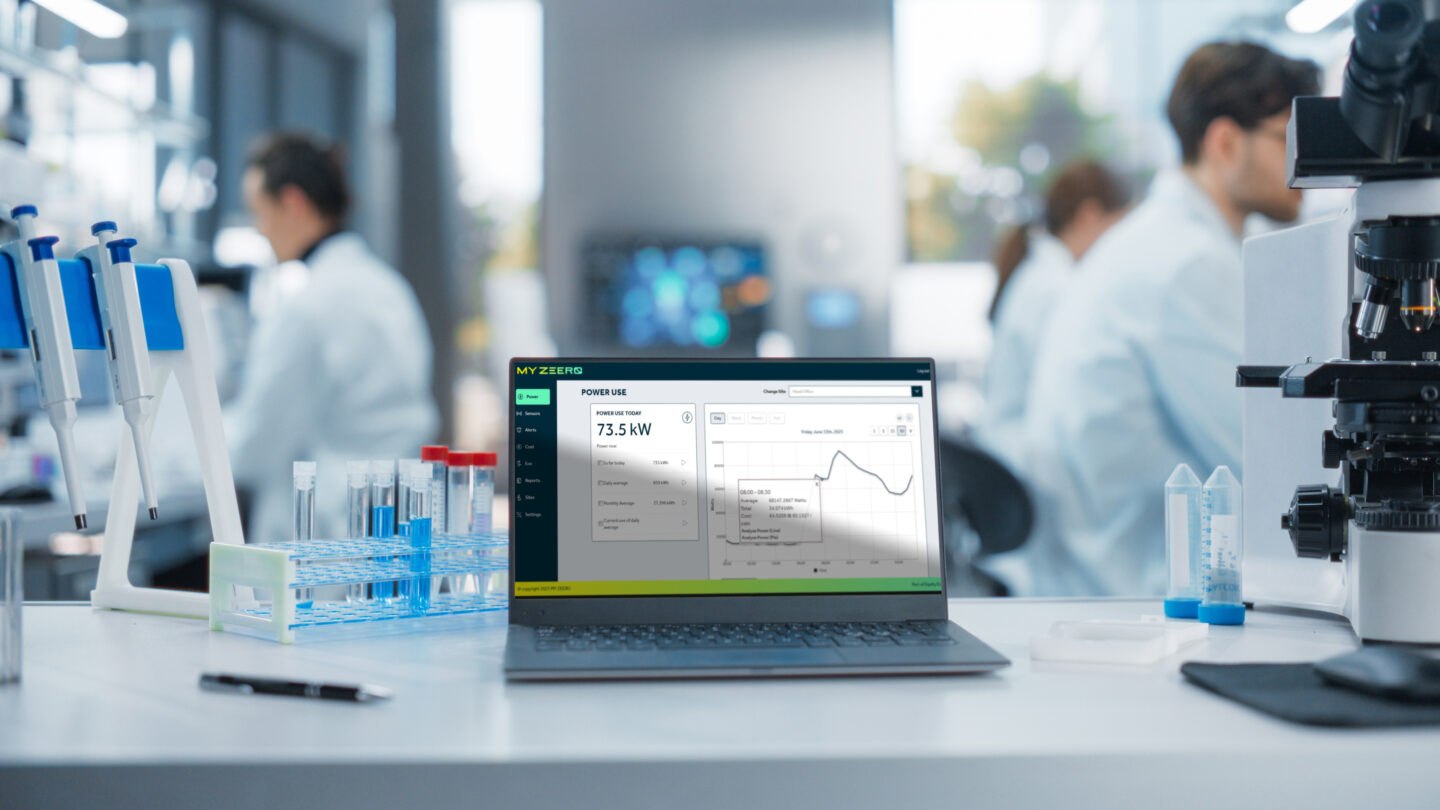
A digital energy management system helps businesses monitor, analyse and optimise their energy use through real-time data, automation and intelligent controls. By embracing the digital transformation of energy management, companies gain greater visibility, improve efficiency and make faster, more confident decisions, all while reducing costs and emissions.
What does a digital energy management system do for your business?
A digital energy management system helps businesses monitor, analyse and optimise their energy use through real-time data, automation and intelligent controls. By embracing the digital transformation of energy management, companies gain greater visibility, improve efficiency and make faster, more confident decisions, all while reducing costs and emissions.
This guide explores what these systems do, how they work and why they’re becoming essential to the future of energy strategy.
The shift to digital energy management
Energy management has evolved significantly. Traditional methods — reliant on spreadsheets, monthly readings and manual calculations, no longer offer the agility or insight that modern businesses need.
Digital energy management uses cloud platforms, IoT sensors and AI-powered analytics to monitor and manage energy use in real time. It enables organisations to act proactively, not reactively, by identifying inefficiencies and automating optimisation. From industrial sites to office buildings, digital tools are reshaping how businesses approach energy.
How digital energy management systems work
At their core, digital energy management systems (DEMS) are platforms that connect directly to your energy infrastructure, including meters, sub-meters, HVAC systems and machinery. These systems collect granular energy usage data from across your sites, enabling detailed analysis and near-instant insights.
This data is delivered through dashboards, alerts and automated reports, giving your team the visibility needed to drive change.
Real-time monitoring and alerts
DEMS provide continuous, real-time monitoring of energy performance. If consumption unexpectedly spikes, or systems operate outside set parameters, alerts notify your team immediately, allowing for quick intervention before issues escalate.
Automated energy usage reporting
Manual reporting is time-consuming and prone to error. Digital systems automate this process, generating reports tailored to regulatory standards or internal KPIs. This reduces admin and ensures consistency across reporting cycles.
Integration with building or asset management systems
Advanced systems integrate seamlessly with your existing infrastructure, including building management systems (BMS), asset management platforms or production monitoring tools. This creates a unified view of operational and energy performance.
Benefits of digital energy management systems for your business
Adopting a digital energy management system delivers tangible improvements across cost, efficiency, compliance and strategy.
Reduced energy waste
By continuously monitoring usage, businesses can identify and resolve inefficiencies, from systems left running overnight to underperforming equipment, cutting unnecessary energy loss.
Lower operational costs
Digital tools can pinpoint peak usage periods and automate load shifting or equipment scheduling. This helps reduce demand charges and align energy use with off-peak tariffs.
Improved compliance
A digital platform simplifies sustainability and regulatory reporting. By automatically collecting and tracking data, it ensures your reports are accurate, complete and audit-ready.
Data-driven decision-making
With a centralised view of energy performance across all departments and sites, your teams can identify where improvements will have the greatest impact, and prioritise investments accordingly.
These insights are powered by robust energy data analytics tools that transform raw numbers into strategic actions, ensuring your decisions are evidence-based and high impact.
Supporting sustainability and net zero goals
Digital systems play a critical role in tracking and reducing carbon emissions. They provide the accurate, up-to-date data required for ESG reporting, investor disclosures and internal net zero targets.
If we take UK local authorities as an example, nearly everyone has now established a robust Net Zero strategy. Yet councils face a £27 billion shortfall to deliver identified projects. Digital systems are the missing piece to monitor, model, and report progress. DEMS can help fill that gap.
With a full view of your consumption patterns, you can identify reduction opportunities, measure impact and demonstrate progress, both internally and externally.
Accurate, consistent data tracking supports ongoing improvement, tying directly into effective sustainability progress reporting.
Using dedicated sustainability data management software alongside your energy platform ensures your environmental metrics are centralised, consistent and audit-ready, making it easier to report against net zero goals and broader ESG commitments.
Digital twin energy management: a step further
For businesses seeking advanced insights, digital twin energy management goes beyond monitoring. It creates a virtual model of your physical systems, enabling simulation, prediction and scenario testing without disrupting operations.
What is a digital twin in energy management?
A digital twin is a dynamic digital replica of your energy infrastructure, including systems, equipment and processes. It mirrors real-time operations, reflecting the same inputs and behaviours.
Benefits of simulation and predictive modelling
With a digital twin, you can simulate energy-saving scenarios, identify potential faults before they occur and test changes before applying them in the real world. This reduces risk and enhances decision-making.
Digital twin applications in manufacturing, commercial buildings and infrastructure
Digital twins are particularly useful in energy-intensive sectors, from manufacturing plants needing high system reliability to commercial buildings with complex HVAC setups. They provide clarity and control at scale.
Choosing the right system for your needs
With a growing number of platforms available, selecting the right digital energy management system can feel overwhelming. But the best choice will depend on your organisation’s operational complexity, sustainability priorities and existing digital maturity. A well-matched system doesn’t just track data, it becomes a strategic asset that evolves with your business.
Start by clarifying your objectives. Are you aiming to reduce energy costs, meet compliance obligations, support net zero goals or improve operational efficiency? Your answers will help prioritise the features and functionality that matter most.
Features to look for
A comprehensive system should go beyond basic monitoring. Look for:
- Custom dashboards tailored to different users, from site managers to sustainability leads
- API integrations to connect with ERP, BMS or sustainability platforms
- Anomaly detection and alerting to flag unexpected patterns in usage or equipment behaviour
- Built-in templates for regulatory and ESG reporting to streamline compliance
- Configurable KPIs to measure performance against internal targets or frameworks like ISO 50001
The goal is to have a platform that delivers clear, actionable insights, not just raw data.
Scalability for growing operations
A good system should scale with your organisation. Whether you’re onboarding new sites, expanding internationally or adjusting to evolving regulatory environments, your digital energy management system should flex to match.
Multi-site visibility, multilingual support and role-based access controls are essential for businesses operating across multiple regions or teams. Choose a platform that can scale without requiring major reconfiguration.
Support and training for your team
Technology is only as effective as the people using it. Look for providers who offer more than just software, including onboarding, training materials, and ongoing support. This ensures your team can confidently use the system to drive performance and identify improvements.
Engaged users lead to better data accuracy, faster response times and stronger long-term results.
If you’re exploring your options, get in touch to discuss your digital energy goals, and how to find a system that aligns with your strategy and growth.
Conclusion
A digital energy management system is more than just software, it’s the foundation for smarter, more sustainable operations. By delivering real-time insight, automating control and aligning with broader goals like net zero, digital platforms help businesses stay competitive, compliant and carbon-conscious.
As energy costs rise and expectations increase, investing in digital tools is no longer optional, it’s essential for any business looking to future-proof its energy strategy.
-
Net Zero Pathway
A guide to business energy management
Managing energy is no longer just a matter of cutting costs — it’s a strategic necessity. As businesses face rising energy prices, stricter regulations, and…
Find out more -
Market Insights
A guide to forecasting energy costs and consumption
Energy cost forecasting is no longer a luxury — it’s a necessity. For businesses in today’s volatile energy markets, predicting future costs and consumption can…
Find out more -

Net Zero Pathway
Everything you wanted to know about – data and insight – but were too afraid to ask
Before you can truly transform energy usage or make meaningful changes, it’s essential to understand how those changes are working—and even anticipate how they could…
Find out more