Why changing the narrative matters more than ever for progress on Net Zero.
How do you bring millions of people and thousands of organisations with you on a challenge the world has never solved before?
How do you bring millions of people and thousands of organisations with you on a challenge the world has never solved before?
That’s the central question facing anyone working on climate action and the pathway to Net Zero. The mission has not changed: we still need to cut emissions, improve efficiency, and protect the future we all rely on. But the context around that mission has shifted. Negative rhetoric, politicised viewpoints, and increasingly polarised debates mean the way we talk about climate action can no longer stay the same.
Shifting a narrative so it appeals more directly to the needs, concerns, and motivations of an audience is nothing new, especially when it comes to driving progress on the most complex of challenges. What has changed in recent months is the volume of people calling for this shift to happen in the climate change debate. Thought leaders, including Bill Gates, argue that if we want broader participation and meaningful momentum, we need to rethink how we talk about climate action, so it connects with what people relate to and care about today.
A shared goal.
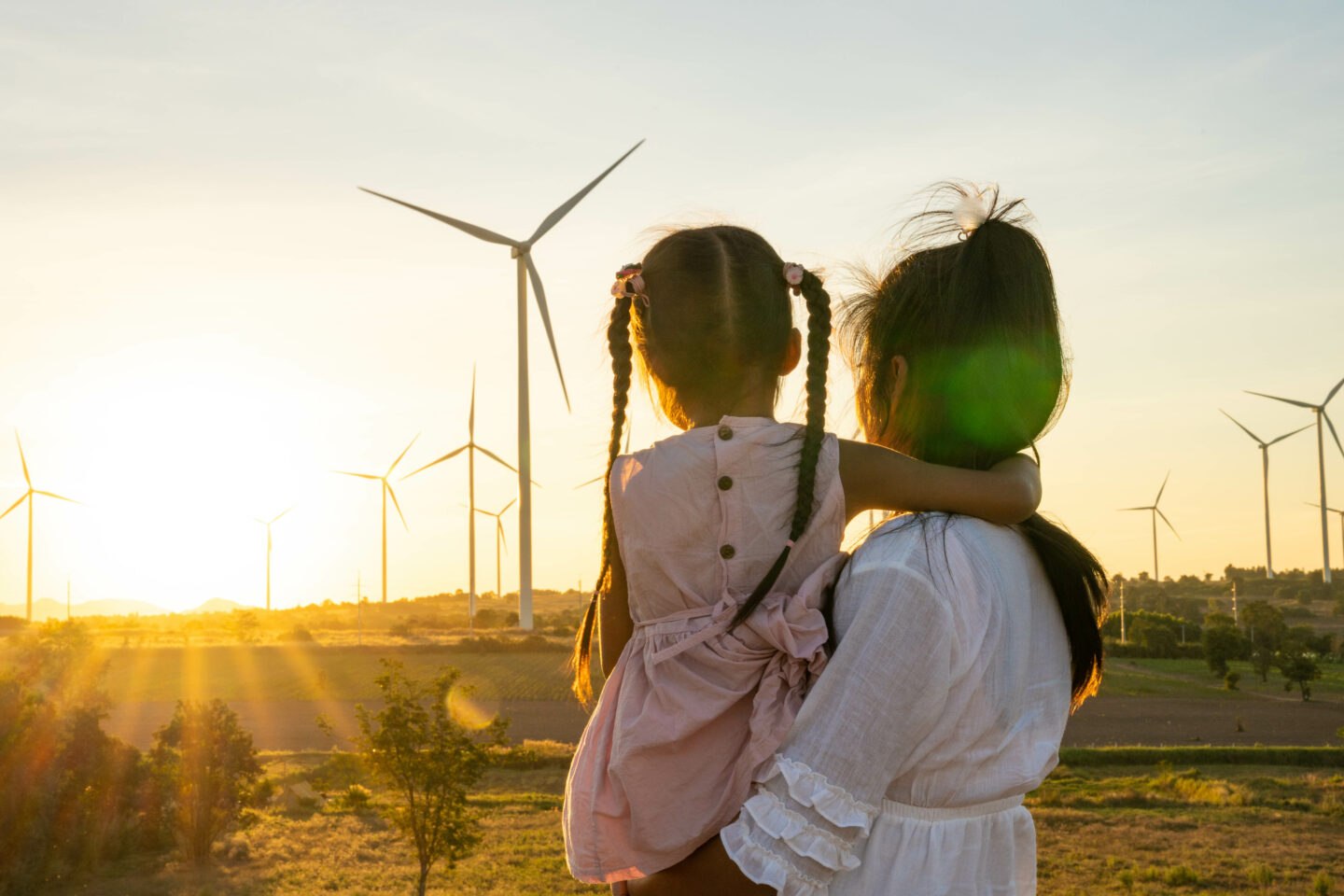
Beneath the polarised headlines and rising pressures, most notably the cost-of-living crisis and the rising cost of doing business, most of us still share the same fundamental goal. We want a safe and stable place to live, a healthy environment for our children, and a future that feels secure. These universal aims cut through political viewpoints and should sit at the heart of every conversation about climate and energy, even if we rarely frame it that way.
Yet the climate conversation has become increasingly noisy and divided. Strong opinions, competing narratives, and growing scepticism from a vocal minority often distract from the practical reality. What has not changed is that shared desire for safety, stability, and a liveable future. The challenge is that the way we talk about climate does not always reflect what people and businesses are dealing with day to day. That gap in framing is what risks slowing down momentum.
Cost pressures reshaping priorities.
The last few years have shifted priorities sharply. Rising costs have become the dominant concern for households and private and public sector organisations alike. When you are fighting to stay ahead of inflation, protect margins, or maintain essential services, long term environmental ambition can feel harder to prioritise. I firmly believe that this does not mean people do not care about climate. But it does suggest that the conversation needs to reflect the pressures they are under.
This is where the Net Zero narrative needs to evolve. The measures that deliver progress in carbon reduction have not changed. Reducing consumption, improving efficiency, investing in better technologies, and using data to run operations more intelligently remain the foundations of every credible Net Zero pathway. But the story behind those actions needs to meet people where they are.
Reframing climate progress for operational reality.
For businesses and public sector organisations, the traditional Net Zero narrative has focused on carbon, compliance, and environmental responsibility. These remain important, but for many they are no longer the primary motivators. Today we know that leaders are focused on cost control, operational resilience, and long term financial and operational ‘health’. The good news is that energy efficiency, strategic procurement, and better use of data deliver exactly those outcomes. They strengthen the organisation and reduce carbon at the same time.
Different motivations can reach the same destination.
Reframing the conversation around cost and resilience does not dilute climate ambition. If anything, it has the potential to widen participation. Whether an organisation invests in better energy management to save money or to reduce emissions, the result is the same; lower consumption, fewer peaks, less waste, more efficiency, and a pathway to Net Zero that is grounded in commercial reality.
The destination has not changed. What needs to change is how we talk about the journey. If we want more organisations to take meaningful steps forward, we need to align the message with what matters most to them today. That’s how we turn shared human goals into shared progress, and how we build momentum at the pace the future demands.

By Maureen Bray, Managing Director at Equity Energies