Are energy savings closer than you think? Why EII starts with getting your SIC code right
Rising electricity costs are hitting energy‑intensive organisations hard - yet many could unlock major savings through Energy Intensive Industries (EII) relief. With non‑commodity costs climbing, checking your classification could be a simple step that unlocks substantial support.
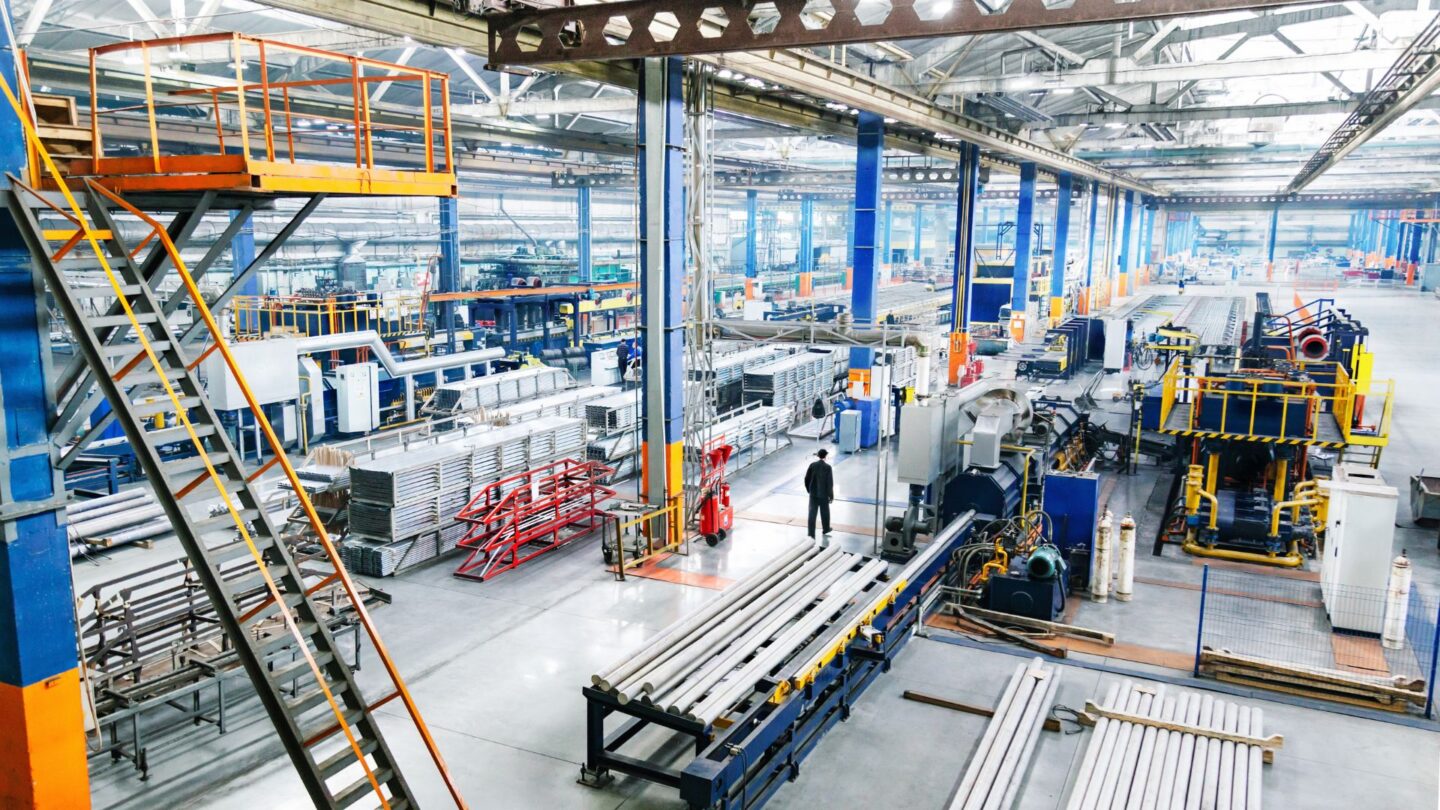
For many energy-intensive organisations, rising electricity costs are often treated as a market issue, especially when you consider current geo-political tensions and threat of another sustained period of unit price volatility. Combine this with rising non-commodity costs, which can make up over half of the cost of an energy bill, and the impact of electricity prices on operational resilience and profitability is hard to ignore.
But there is also another issue, and even more importantly a potential saving to be made, that’s much closer to home. This concerns Energy Intensive Industries relief, or EII.
Through the British Industry Supercharger that was launched in 2024, eligible organisations can access exemptions through the EII, from key non-commodity charges, including renewable levies, capacity market costs, and network charge compensation. For qualifying businesses, the savings can be significant, with government support now covering 100% of several major levies and up to 90% of certain network costs.
Qualifying for EII can fundamentally change the cost base of an energy-intensive operation. However, one of the most overlooked barriers to unlocking that value is something far more administrative: classification.
An outdated or inaccurate SIC code is enough to mean an organisation misses out on EII relief completely.
Getting your SIC code right
Eligibility for EII support is directly linked to whether a business sits within a relevant sector, assessed against specific four-digit SIC and sector classifications, alongside other energy intensity criteria.
This means that the way a business is classified, both internally and through its formal registration, can have direct commercial consequences.
The challenge is that many organisations evolve quickly; operations expand, production lines change, new sites come online, and the overall revenue mix shifts. Yet the SIC code on file often remains exactly as it was when the business was incorporated.
Over time, the gap between what the business does and how it is classified can widen. If it does, the risk is in missing out on reliefs they are entitled to explore. Within sectors already facing margin pressure, rising non-commodity costs and long-term grid investment charges, that can mean leaving significant savings on the table.
Why this matters now
Ongoing turbulence of the wholesale energy market isn’t going away anytime soon, and the rise in non-commodity charges is also here to stay.
But the government’s support landscape is also continuing to evolve, with the British Industry Supercharger already in place and the British Industrial Competitiveness Scheme set to broaden relief across a wider group of manufacturers from 2027.
So, for energy-intensive organisations, understanding whether you are correctly classified and whether your business activity still aligns with the relevant SIC code is now a strategic cost-management exercise, and a direct route into accessing savings and support.
What should you do next?
The first step is relatively straightforward; review how your business is currently classified.
Does your classification accurately reflect the operational reality of your organisation today, particularly where manufacturing processes, site footprints, or product lines have changed?
From here, you can then confirm:
- Whether the SIC code aligns with current activity
- Whether you sit within an eligible EII sector
- Whether electricity intensity thresholds may now be met
- Whether exemptions and compensation mechanisms are already being correctly applied
This is also where an expert review can add real value, because the question is not just “do we qualify?”, but “are we structured, classified and billed in a way that allows us to unlock every available saving?”
Savings may be closer than you think
In today’s market, energy strategy isn’t only about procurement and consumption. It’s also about making sure your organisation is structured to benefit from the support available.
When it comes to EII, the route to savings may begin with something as simple as checking whether your SIC code still reflects the business you are today; a simple step could be the difference between absorbing rising costs and unlocking meaningful relief.
Sometimes the most valuable energy savings are closer than you think.

Greg Tugulea, Business Development Manager – Equity Energies
-

Market Insights
Procurement and energy resilience: why your energy supply is no longer a given.
Energy procurement is no longer just about securing the right price. With grid constraints, electrification and changing demand creating new operational risks, procurement is becoming…
Find out more -

Market Insights
Practical affordability: why cheaper doesn’t always mean better
The cheapest energy contract doesn’t always mean the lowest overall cost. With market volatility, changing demand patterns, peak demand charges and increasingly complex contract terms…
Find out more -

Market Insights
A practical guide to energy procurement: Understanding your energy bill
The cost of energy is no longer driven by wholesale prices alone. With non commodity charges now making up the majority of a typical commercial…
Find out more