From reporting to reality: what the next wave of corporate sustainability actually looks like
Many organisations have spent the past decade setting sustainability targets, but too often delivery has lagged behind ambition. That is changing fast. Today, expectations are shifting from well-written commitments to measurable action - moving sustainability beyond reporting and into real operational decarbonisation.
The past decade has produced a remarkable volume of corporate sustainability commitments, from Net Zero targets to carbon reduction roadmaps, ESG frameworks and reporting disclosures. Despite this, sustainability is something many organisations have committed to in theory, without always delivering in practice.
That era is ending, not because the commitments don’t matter, but because the people holding organisations to account like investors, clients, procurement teams and regulators, are increasingly unimpressed by a well-formatted report. They are demanding actual change.
The next wave of corporate sustainability isn’t about better disclosure, but tangible operational decarbonisation. It’s the gap between the two where many organisations currently find themselves.
Reporting and reducing carbon are two different things
It’s a distinction that sounds obvious, but the implications are significant. Reporting is important to give you the numbers, but operational decarbonisation is what will move those numbers in the right direction.
Reporting needs process, but reduction requires decisions; about how energy is bought, how assets are operated, what infrastructure is invested in, and how the organisation interacts with the wider energy system.
For years, sustainability was viewed from the outside as little more than a reporting exercise, and from the inside that perception wasn’t entirely wrong. Buy-in for meaningful action was limited, and the real pressure to move came more from reporting and disclosure obligations than from genuine strategic ambition. But things have changed, and now as Scope 3 accountability tightens and as clients embed carbon requirements into procurement criteria, sustainability performance is becoming a commercial variable in its own right
We’re already seeing this play out in sectors like data centres, where some operators are telling suppliers: no credible decarbonisation plan, no contract. And it’s not a trend confined to one industry.
Making operational decarbonisation work
Reporting is still important; any decision-making starts with visibility. You can’t decarbonise what you can’t measure, and most organisations still lack the granular, real-time insight into energy use that meaningful action requires. Understanding when, where and how energy is consumed, at circuit level, across sites, and across operational periods, is the foundation for everything else.
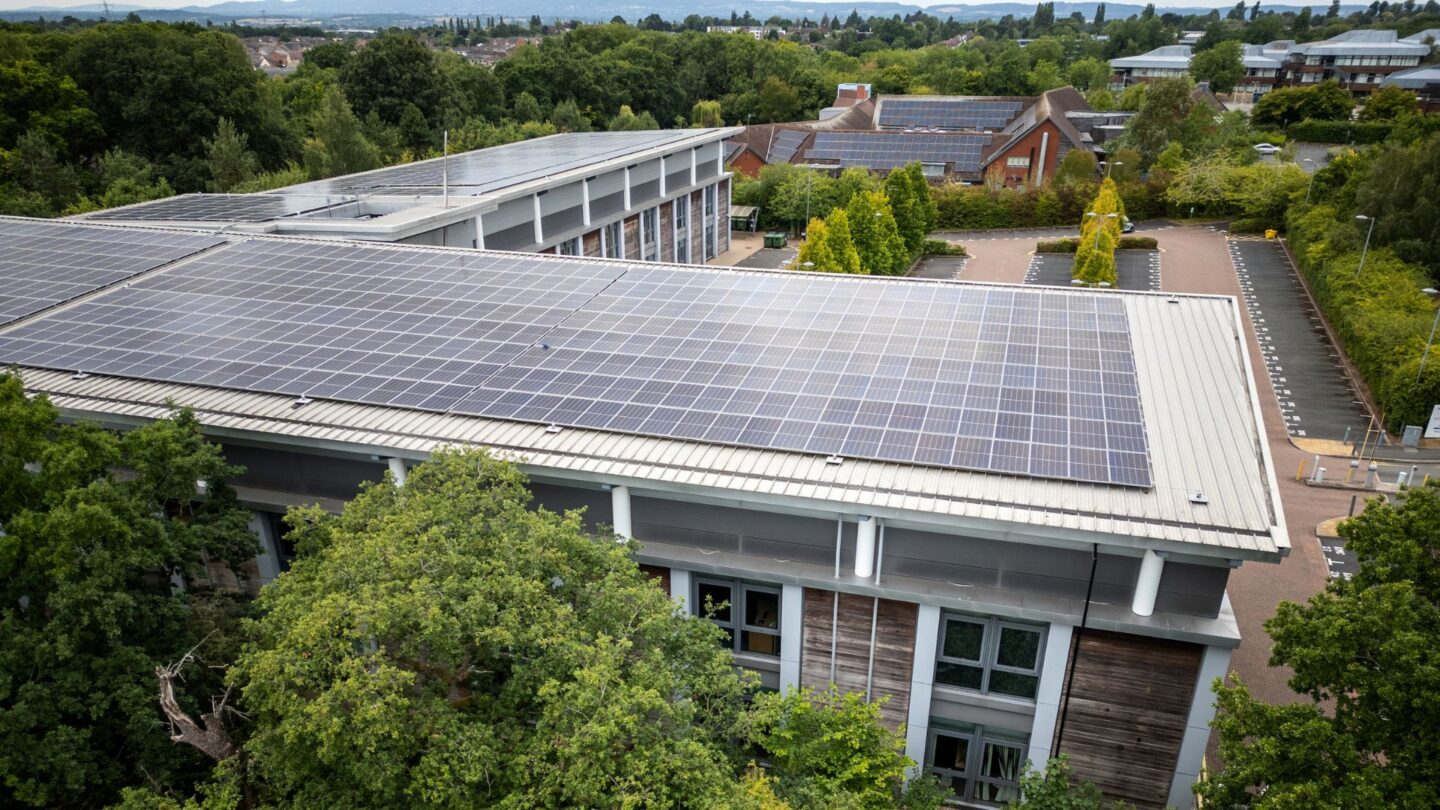
From there, the levers can become both practical and sequenced. Procurement decisions matter, where the difference between annual renewable matching and genuine 24/7 clean power sourcing is significant. On-site generation and battery storage reduce grid dependency and cut structural cost exposure at the same time. And the transition of backup power away from diesel – through alternatives like HVO – addresses a compliance risk that many organisations are still underestimating.
Increasingly, it’s about how organisations interact with the grid itself. Demand flexibility, peak avoidance, load-shifting aren’t just cost management tools, but examples of strategic alignment with a decarbonising energy system. In a world where grid connection readiness is partly assessed on sustainability credentials, how you use energy is becoming as important as how much of it you use.
A question of affordability
The objection I hear most often is cost, which is a fair concern in a market where non-commodity charges are rising faster than any other part of the electricity bill, and budgets are already under pressure.
But, on the flipside, on-site generation, battery storage and demand optimisation support decarbonisation while also reducing structural cost exposure. A solar and storage system that offsets grid imports insulates an organisation from the regulated charges that are rising fastest. The investment case and the sustainability case point in the same direction.
Integrated thinking, and doing
None of this happens in isolation; energy procurement, on-site assets, carbon strategy and financial planning have to be considered together. When they’re not, decisions made in one area can easily undermine progress in another.
If we’ve learned anything in recent year it’s that Net Zero isn’t just a pledge or a target, it’s an ever-evolving pathway which must keep pace with a changing energy system, tightening regulation, and commercial expectations that are moving faster than most organisations anticipated.
That’s why the role of the energy consultant is evolving. Organisations need a ‘decision partner’ who can connect the strategic ambition to operational reality and help the shift from a well-written commitment to something that shows up in the numbers.

By Maureen Bray, Managing Director – Equity Energies & Centreco
-
Market Insights
Are energy savings closer than you think? Why EII starts with getting your SIC code right
Rising electricity costs are hitting energy‑intensive organisations hard – yet many could unlock major savings through Energy Intensive Industries (EII) relief. With non‑commodity costs climbing,…
Find out more -
Market Insights
From 1st April, one of the least understood costs on your electricity bill changed. This is why it matters.
From the 1st April, UK organisations will face a sharp rise in electricity costs as TNUoS transmission charges reset for 2026/27, driving increases of more…
Find out more -

Market Insights
Cutting energy prices won’t fix the UK’s manufacturing’s cost crisis.
Energy UK and the CBI warn that persistently high energy costs are undermining UK manufacturing competitiveness. But the issue goes beyond price alone. Structural charges,…
Find out more