Procurement and energy resilience: why your energy supply is no longer a given.
Energy procurement is no longer just about securing the right price. With grid constraints, electrification and changing demand creating new operational risks, procurement is becoming an increasingly important part of energy resilience. So, how can organisations build procurement strategies that support both continuity and future growth?
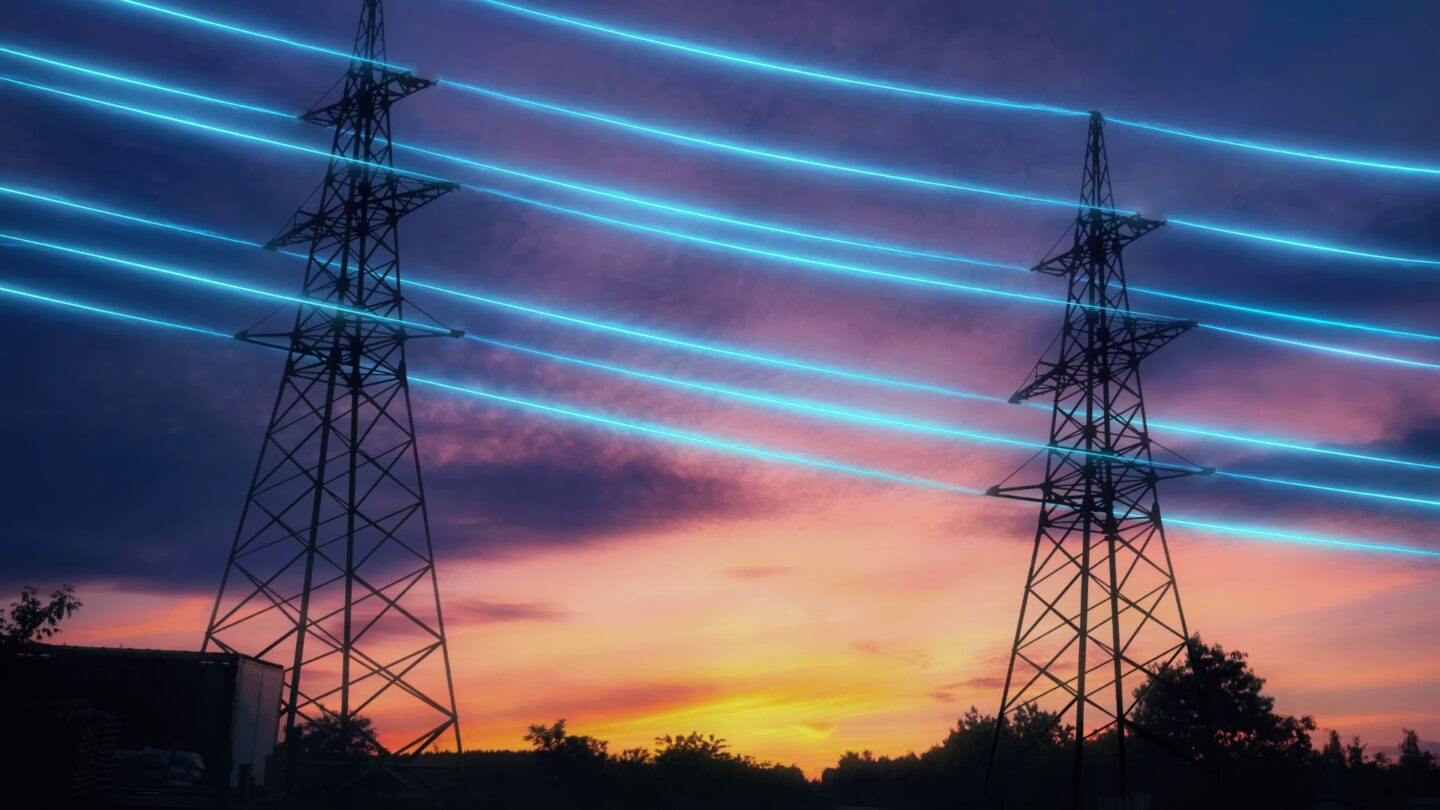
For most of the past two decades, energy security has been a background assumption. If the contract was in place and the supply was connected, the lights stayed on. Procurement focused on price, and reliability didn’t need to be a consideration.
That assumption is becoming harder to sustain in 2026. Energy procurement is becoming a resilience decision that directly affects whether your organisation can operate, grow and adapt without being constrained by its energy position.
Why is energy resilience now a factor?
The UK electricity grid is carrying more demand, from more diverse sources, across infrastructure that was designed for a different era. The evidence of that pressure is now starting to show.
A good example is in the data centre sector. According to Ofgem, the demand connection queue has grown from 41GW to 125GW in a matter of months, with data centres accounting for a large proportion of that increase (Source: Ofgem, Demand Connections Reform consultation, July 2026). But crucially, that bottleneck affects all sectors. Grid connection timelines have lengthened, additional capacity is harder to secure in many regions, and upgrades to local and regional networks can take years to deliver.
For organisations that aren’t seeking new connections, the effects are still present. Capacity limits can restrict expansion plans, network constraints can increase the cost of peak demand, and connection upgrades that would support electrification may face significant delays. In some areas, the grid’s ability to accommodate growing load is becoming a genuine operational constraint.
Why does electrification reshape demand risk?
At the same time, many organisations are increasing their dependence on the electricity grid through electrification programmes that change how much energy is needed, when it is needed and how concentrated that demand becomes.
Electric vehicle fleets add charging load that peaks at predictable but often inconvenient times. Heat pumps shift heating demand from gas to electricity, increasing winter consumption. And electrified industrial processes replace fuels that were previously delivered independently of the grid, adding concentrated load that the local network may not have been designed to handle.
Each of these, and many other, changes increase an organisation’s exposure to electricity supply constraints, grid pricing signals and the rising non-commodity charges discussed earlier. Interruptions, capacity limits or cost spikes that would once have been minor inconveniences can now carry significant operational and financial consequences.
How does procurement govern exposure?
The degree to which an organisation is exposed to these pressures is not fixed. It’s shaped, in large part, by procurement decisions:
- Contract structure determines how risk is shared between the organisation and the market.
- Tariff selection affects how peak demand is priced and whether flexibility is rewarded.
- Volume strategy influences how much room the organisation has to absorb changes in demand without penalty.
A procurement strategy that relies heavily on short-term pricing without built-in flexibility can leave an organisation exposed during periods of system stress. Poorly aligned contracts can increase costs at precisely the time when energy is most critical, and inaccurate forecasting can lead to under-provisioning or unexpected charges.
For energy-intensive or time-critical operations, even short periods of disruption or unfavourable pricing can have a significant and disproportionate impact on performance and cost.
Why does internal alignment make a difference?
One of the biggest risks to energy resilience can be internal. Different teams within the same organisation can make decisions that individually make sense but collectively create the potential for vulnerability.
For example, procurement teams might optimise for price without full visibility of operational requirements or growth plans. Operations teams might plan electrification programmes or site expansions without understanding how procurement structures price the resulting risk. And sustainability teams may pursue targets that interact with supply contracts in ways that weren’t anticipated.
None of these teams is making a bad decision in isolation; issues can arise when they make separate decisions that affect each other, and resilience can then suffer when those interactions aren’t visible or managed.
Stronger alignment starts with shared data: demand forecasts, operational plans, growth timelines and risk appetite are all important in informing procurement decisions, and similarly procurement outcomes should feed back into operational planning.
How could a flexible connection help?
For organisations facing connection constraints, flexible connection agreements offer one practical route forward. Rather than waiting for a full firm connection, a flexible agreement allows a site to connect at a reduced capacity, often significantly faster, and manage demand within agreed parameters.
This approach doesn’t suit every situation, but for developments where connection delays would otherwise stall progress, it could provide a way to get operational sooner while managing grid exposure. Combined with appropriately configured on-site generation and storage, a flexible connection could form part of a workable energy strategy where the grid cannot immediately deliver the full capacity required.
Where should procurement play a part in continuity planning?
Energy procurement now needs to sit within business continuity planning. It shapes how risk is managed; how predictable costs are and how well your organisation can adapt to changing conditions.
Whether electrification supports growth or introduces new constraints depends, in significant part, on how procurement is structured. Getting that right requires procurement decisions that are informed, not just by cost, but by operational reality, aligned with growth plans and designed with resilience in mind.
The final part of this guide looks at how to bring these elements together with generation and storage to create a genuinely integrated approach.
-

Net Zero Pathway
Beyond unit price volatility: The business cost of energy market transformation
The cost of energy used to be a line item on the balance sheet, but they are now intertwined with one of the biggest industrial…
Find out more -
Market Insights
Three pressures, one strategy: understanding the energy trilemma – What the energy trilemma really means for UK organisations
For years, the energy trilemma was a policy issue – governments balancing security, affordability and decarbonisation. Now it’s a business reality. Organisations are feeling it…
Find out more -

Market Insights
Business Energy Consumption Explained: What Drives Usage and What to Do About It
From outdated hardware to operational habits, businesses often leak energy without realising it. Learn how to pinpoint your highest waste areas and implement smarter consumption…
Find out more