Three pressures, one strategy: understanding the energy trilemma – What the energy trilemma really means for UK organisations
For years, the energy trilemma was a policy issue - governments balancing security, affordability and decarbonisation. Now it’s a business reality. Organisations are feeling it directly through rising costs, supply risks and growing pressure to cut emissions. What was once abstract is now operational and understanding it is a strategic advantage.
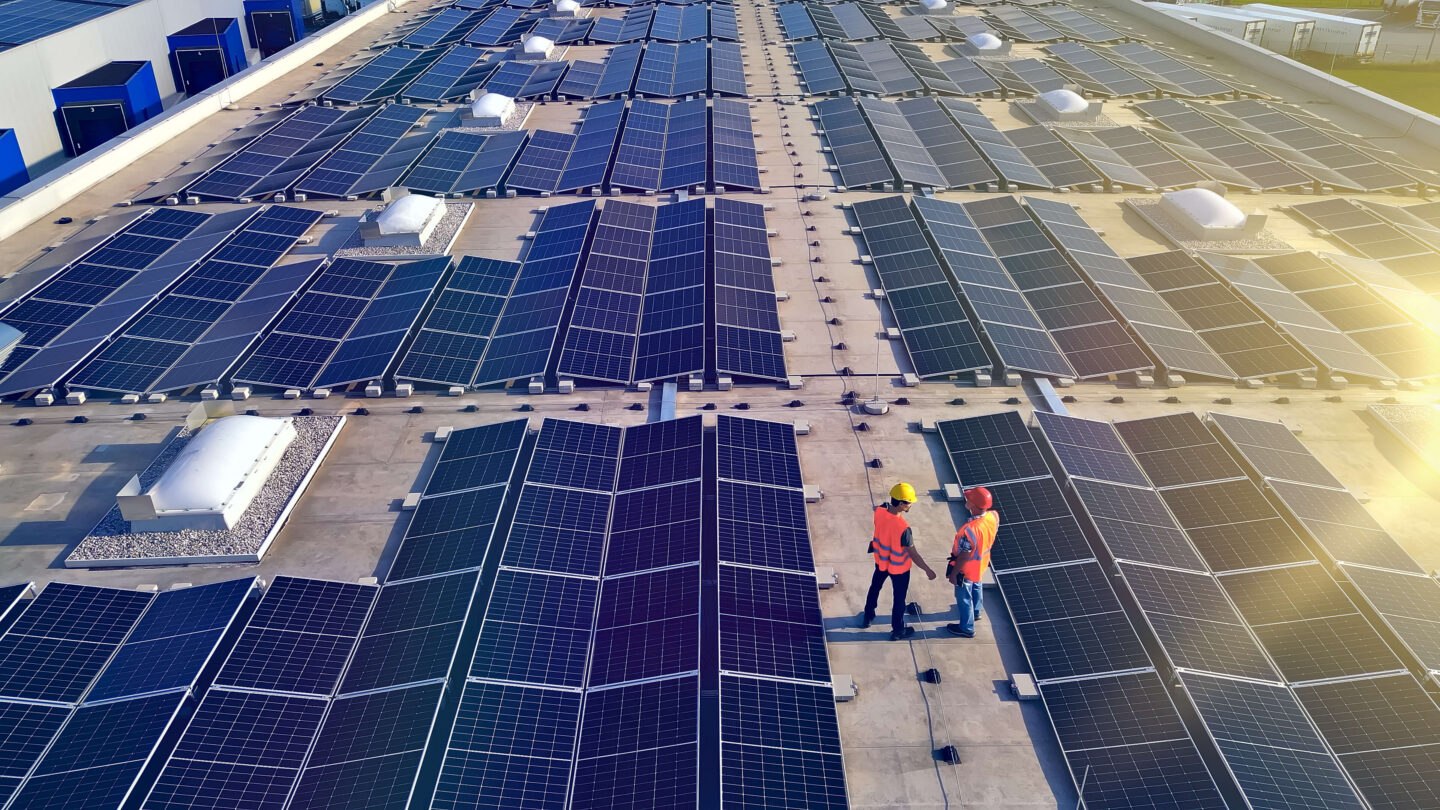
The energy trilemma – the balancing of security, affordability and sustainability – is typically discussed at system or policy level. But for organisations throughout the UK, these pressures are now felt directly in operational risk, cost exposure, investment decisions and the delivery of Net Zero progress.
This three-part series will explore the energy trilemma, not as a high-level concept, but as a practical business framework. It will demonstrate why understanding the interaction between its three elements is becoming essential to good energy strategy, stronger decision-making, and long-term commercial resilience.
What the energy trilemma really means for UK organisations
For years, the energy trilemma has been discussed at a high level, in the context of national policy and energy system planning. It describes the challenge governments face in balancing three competing priorities: keeping energy supplies secure, keeping costs affordable, and reducing carbon emissions.
What’s changed is where the impact of this challenge now sits. It’s increasingly something organisations can no longer observe from a distance, but is instead something they experience directly, through rising costs, operational risk, infrastructure constraints and growing responsibility for decarbonisation.
The energy trilemma has moved from abstract theory to day-to-day reality, so understanding it now is a game changer.
Understanding the energy trilemma
At its core, the energy trilemma describes the need to balance three pressures at the same time.
- Energy security refers to having reliable and resilient access to energy. For organisations, this begins with continuity of supply, before extending into predictability, exposure to disruption, and the ability to operate and grow without being constrained by infrastructure limitations.
- Energy affordability is about keeping total energy costs predictable and manageable over time. This starts with securing a competitive unit rate, then expands into understanding cost drivers, managing risk, and avoiding decisions that create immediate volatility or hidden long-term exposure.
- Energy sustainability focuses on reducing carbon emissions in line with Net Zero targets. What was once a voluntary ambition is now a clear expectation that is shaped by regulation, investor scrutiny, procurement requirements and wider stakeholder pressure.
Viewed independently, each of these pressures is complex. But they must be addressed simultaneously, because decisions made in isolation often solve one problem while creating another.
Rethinking energy security
For UK organisations, energy security is no longer just about whether supply is available. It increasingly includes exposure to grid congestion, the risk of outages, and uncertainty around future capacity.
These issues have real-world consequences, like affecting the reliability of operations, limiting expansion plans, delaying electrification projects, or introducing new operational risks. For some, security concerns are already influencing site selection, investment decisions and long-term planning.
It’s safe to say that energy security is no longer as simple as a binary, ‘can we keep the lights on?’ question. Instead, it lives on a broader spectrum, and understanding where you sit on that spectrum is becoming a vital requirement.
The changing nature of affordability
Energy affordability has also become more complex. While wholesale prices still matter after so many years of dramatic fluctuations and external pressures, they are no longer the primary driver of long-term cost exposure.
Non-wholesale costs, contract structures, purchasing strategy and risk allocation all now play a key role in determining what you pay over time. A low unit rate secured at the wrong moment, or under the wrong terms, could quickly become poor value.
This makes short-term, price-led decisions unreliable indicators of value. They might fail to reflect total cost, risk exposure or the flexibility required to adapt as conditions change. They may simply defer cost or concentrate risk elsewhere.
Affordability today is about more than price; control and predictability also matter.
Sustainability as a commercial reality
At the same time, energy sustainability has shifted from a nice-to-have aspiration to a clearly defined requirement. Net Zero targets influence a wide range of commercial outcomes, including access to finance and insurance, through to how customer relationships play out, and competitive advantage in tender processes.
Organisations are increasingly expected to demonstrate credible, deliverable pathways to decarbonisation. Poorly planned or superficial approaches carry reputational risk, while poorly sequenced investment can undermine both affordability and operational performance.
Sustainability decisions shouldn’t sit separately from core business strategy; they need to closely align with cost control and resilience as part of overall organisational performance.
Siloed decisions increase risk
The core challenge is that these pressures are closely interconnected. Actions taken to reduce cost could increase exposure to supply risk. Investments made to improve resilience could raise costs if they are not strategically planned. Decarbonisation initiatives introduced without a clear understanding of operational impact could reduce flexibility or increase long-term cost exposure.
Yet many organisations respond through siloed or reactive decisions, chasing the lowest unit rate, addressing energy issues one site at a time without an organisation-wide view, or treating carbon reduction as a separate project rather than an integrated imperative. Now is the moment to change that outdated method.
The role of energy strategy
A strategic approach to energy provides a way through this complexity, by allowing you to understand your organisations current position across security, affordability and sustainability, and to identify and assess trade-offs more clearly.
Rather than responding to each pressure in isolation, a strong energy strategy enables more informed decision-making over the short, medium and long term, supporting better cost control, improved resilience and more commercially viable progress towards Net Zero.
In effect, the energy trilemma becomes something organisations can actively manage, and benefit from, rather than react to.
The next parts of this series will explore how each element of the trilemma shows up in business decision-making, and how organisations can use the trilemma as a practical framework when developing energy strategy that supports both commercial performance and long-term resilience.

Kelly Lovesy – Sales Director, Energy Management Services
-

Market Insights
When the power goes off: energy resilience in food and drink manufacturing
We spend a lot of time talking about the cost of energy. But for food manufacturers, what happens when the energy isn’t there at all?…
Find out more -

Business update
Going beyond bill validation: in conversation with Chris Tarr
Chris Tarr has spent two decades in the energy and water industries, working at some of the UK’s largest consultancies before joining Equity Energies as…
Find out more -

Market Insights
Does data centre energy strategy need to be the first decision, before location?
For data centre developers, securing a site is no longer just about land, connectivity and planning. It’s about power. With grid connection times stretching into…
Find out more