What can businesses learn from the latest grid breakthrough?
What real, system-level change looks like, and what can business take from it.
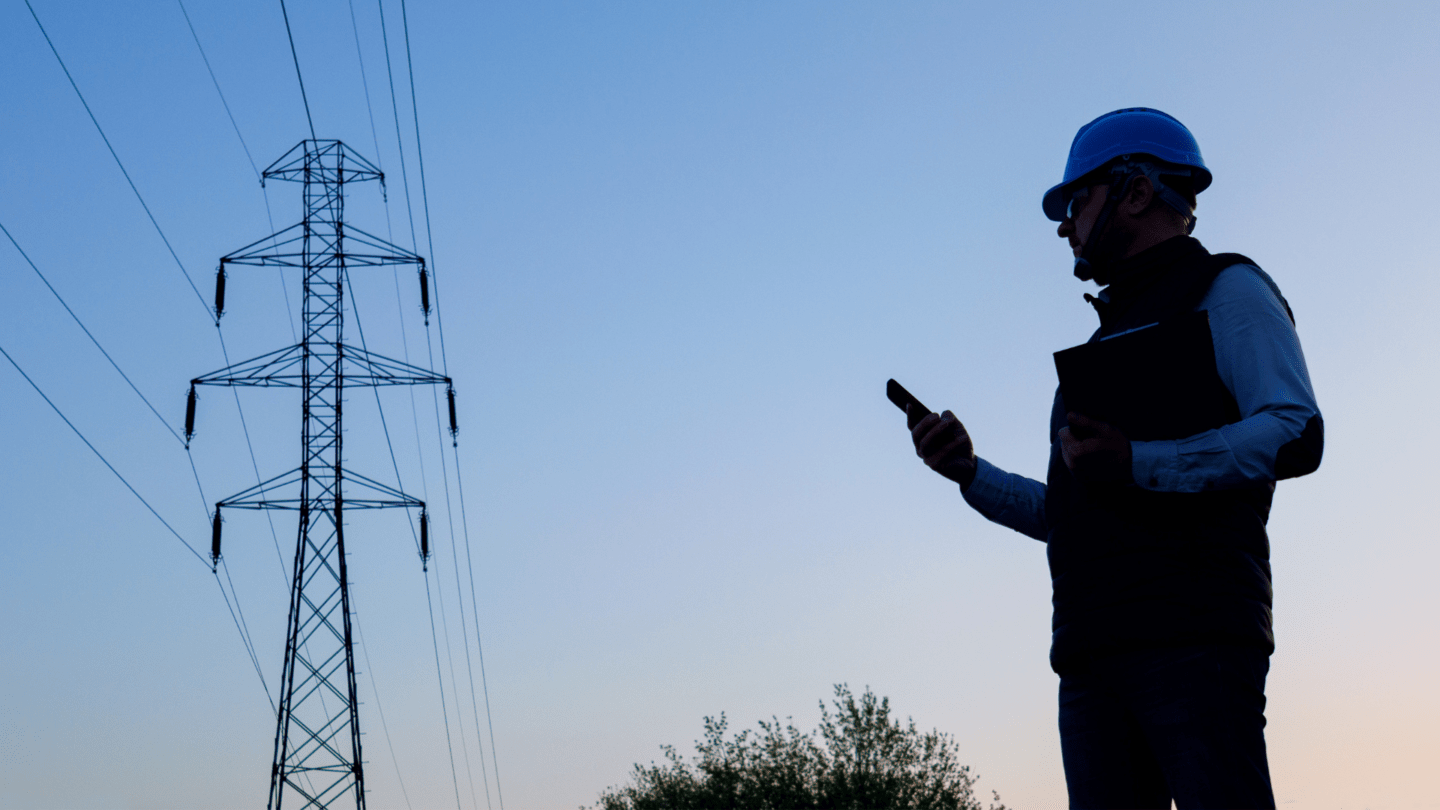
The National Energy System Operator (NESO) has announced it has now offered grid connection dates to more than 700 clean energy projects including wind, solar and battery storage, representing almost 60% of the schemes needed to deliver a virtually carbon-free grid by 2030.
For years, the queue to connect to the grid was perhaps one of the most fundamental barriers to the energy transition, held up by speculative projects under a “first come, first served” system that was increasingly unfit for purpose.
Encouragingly, the problem was clearly identified and acted upon.
The shift to a “first ready, first connected” model that prioritises projects that have secured land, planning and funding, is now delivering. That is a significant result. When a structural barrier is recognised honestly, and the system is redesigned to reflect real-world requirements, change happens.
Why is this worth celebrating?
There’s an immediate and direct impact. Clearing the queue accelerates the build-out of low and zero-carbon generation and moves us significantly closer to a decarbonised grid.
Over the long term, putting renewables at the heart of the system reduces our exposure to volatile fossil fuel prices, lowers the cost of energy, and strengthens the UK’s energy independence and security. In other words, this is the energy trilemma, and its component parts of affordability, security and sustainability, being addressed together, at national scale.
The message for business is, I believe, twofold.
Firstly, momentum like this is proof that even difficult and entrenched hurdles can be overcome, and that large-scale change can translate quickly into real-world impact.
And secondly, it’s worth remembering that the same principles of the energy trilemma apply within every organisation. The pressures being navigated nationally – keeping energy affordable, secure and sustainable – are the very same ones being felt on site and within the balance sheet. The lesson here isn’t only that the system can change; it’s that taking deliberate, joined-up action on energy keeps you moving in the right direction, and does so profitably.
Real change is possible, and amidst the ongoing challenges businesses are facing, NESO’s announcement is a welcome reminder that positive transformation is happening.

By Maureen Bray, Managing Director – Equity Energies & Centreco
-
Market Insights
Are energy savings closer than you think? Why EII starts with getting your SIC code right
Rising electricity costs are hitting energy‑intensive organisations hard – yet many could unlock major savings through Energy Intensive Industries (EII) relief. With non‑commodity costs climbing,…
Find out more -
Market Insights
From 1st April, one of the least understood costs on your electricity bill changed. This is why it matters.
From the 1st April, UK organisations will face a sharp rise in electricity costs as TNUoS transmission charges reset for 2026/27, driving increases of more…
Find out more -

Market Insights
Cutting energy prices won’t fix the UK’s manufacturing’s cost crisis.
Energy UK and the CBI warn that persistently high energy costs are undermining UK manufacturing competitiveness. But the issue goes beyond price alone. Structural charges,…
Find out more