The new rules of energy procurement – Energy sustainability: integrating clean energy into procurement strategy
When sustainability is integrated into energy procurement, it reduces costs, manages volatility, and strengthens resilience - turning carbon reduction into a strategic tool for long-term performance.
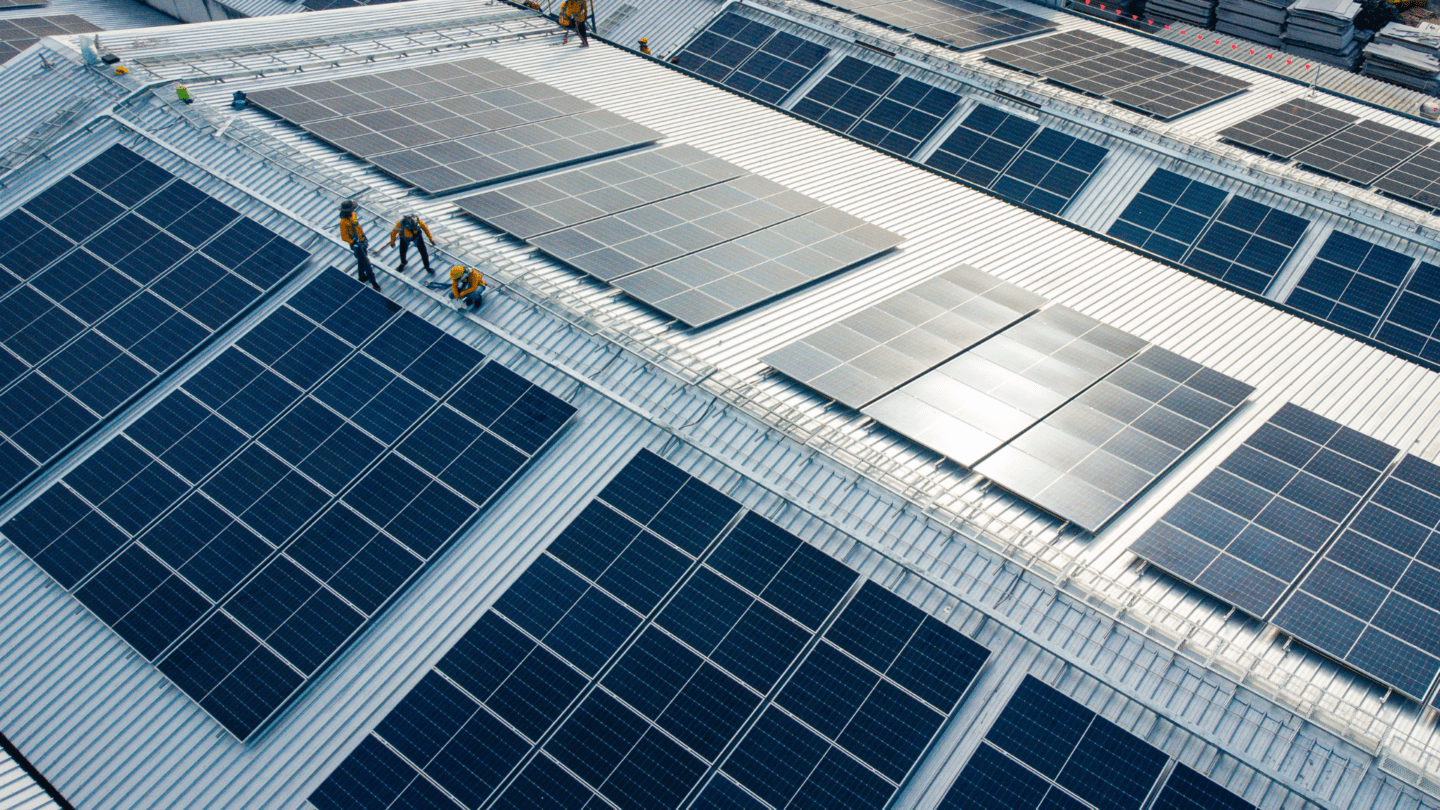
Since sustainability made it onto the organisational agenda, most have treated it as a separate consideration. Sustainability initiatives have often sat within ESG or corporate responsibility teams, separate from where procurement has focused on contract, prices and generation source (i.e. renewables). On-site generation and more recently, storage (through on-site batteries) have often been pursued as standalone projects, bolted on to existing arrangements.
But this separation doesn’t reflect how the energy system actually works.
Sustainability within the energy trilemma
Within the energy trilemma, sustainability is ultimately about reducing emissions, while maintaining affordable and secure supply.
What’s changed is the role sustainability now plays in commercial decision-making, as a practical tool to stabilise costs, reduce exposure to volatility and strengthen resilience.
Just like when looking at affordability and security, if sustainability is treated in isolation, those benefits are often diluted; it needs to be integrated into procurement, so they reinforce each other.
Going beyond green sourcing
For many organisations, sustainability efforts have focused on buying greener electricity. This plays a role in reducing reported emissions, but it doesn’t address cost volatility, peak demand exposure or operational resilience. This isn’t a failure of clean energy, but a limitation of treating procurement and operations separately.
Today sustainability outcomes are increasingly being determined by how much energy is used, when it is used, and how that use aligns with pricing and system conditions. It’s here on-site generation, battery storage and demand management all play a central role, the value of which is dependent on how well they are integrated into procurement strategy.
Solar generation can reduce exposure to wholesale prices and network charges, as long as volumes and timing are reflected in supply contracts. Battery storage can reduce peak demand costs and improve resilience, provided tariffs and procurement structures allow that flexibility to be used.
Together, they reshape the organisation’s load profile, giving procurement a clearer roadmap for action. Performance gains can be unlocked when procurement is aligned with these investments.
Procurement as the integration point
Energy procurement is the point where sustainability, affordability and security come together.
It determines how energy is priced, how risk is shared and how flexibility is valued. It’s also where decisions about generation, storage and demand management are translated into financial and operational outcomes.
When procurement strategy is designed with sustainability firmly in mind, it becomes a source of strength rather than complexity. Costs become more predictable, exposure to peaks and volatility is reduced and overall resilience improves.
This requires closer collaboration across teams with procurement, sustainability, operations and finance all having a role to play. And of course, decisions need to be informed by data, forecasting and a shared understanding of risk.
Strengthening all three sides of the trilemma
When sustainability is integrated into procurement, the benefits extend beyond carbon reduction.
Affordability improves through reduced exposure to volatile pricing and peak charges. Security is strengthened through greater control and flexibility. And sustainability becomes measurable, credible and durable.
Importantly, integration doesn’t necessarily remove trade-offs, but it does make them easier to manage, helping you to balance cost, resilience and carbon outcomes more deliberately, rather than improving one at the expense of the others.
A unified approach to energy procurement
The greatest progress comes from taking a unified approach to energy procurement, where affordability, security and sustainability are treated as connected priorities rather than separate objectives.
Every organisation must procure energy; that decision will be made regardless. The opportunity now is to recognise procurement for what it has become: not just a mechanism for controlling cost, but a strategic tool that shapes resilience, risk and long-term performance.
When procurement is rooted in the energy trilemma, it gives organisations a practical way to balance trade-offs, align decisions across teams and respond more confidently to volatility, electrification and system constraints. It helps turn sustainability into an enabler and security into a suit of armour.
This shift isn’t about doing more or adding complexity, but turning every decision your organisation already makes into a more active part of business strategy. In effect, energy procurement becomes a source of stability in what will remain an uncertain system.

Kelly Lovesy – Sales Director, Energy Management Services
-
Market Insights
The new rules of energy procurement – Energy affordability: why the cheapest contract is no longer the lowest-cost decision
Energy procurement is no longer just about the lowest price. In 2026, true affordability means stability, control, and strategic foresight – aligning decisions with risk,…
Find out more -
Market Insights
The new rules of energy procurement – Energy security: why energy procurement is now a resilience decision
Energy security can no longer be taken for granted. In 2026, procurement drives resilience – ensuring reliable supply, managing risk, and aligning with affordability and…
Find out more -
Market Insights
Maximising energy value – integrating energy strategy, solar and battery storage
Solar is now a familiar part of the energy mix, but too often deployed in isolation. Battery storage remains under utilised, despite its growing potential.…
Find out more